Dragon Ball
Dragon Ball Z Vegeta Saga and Series Arcs Explained
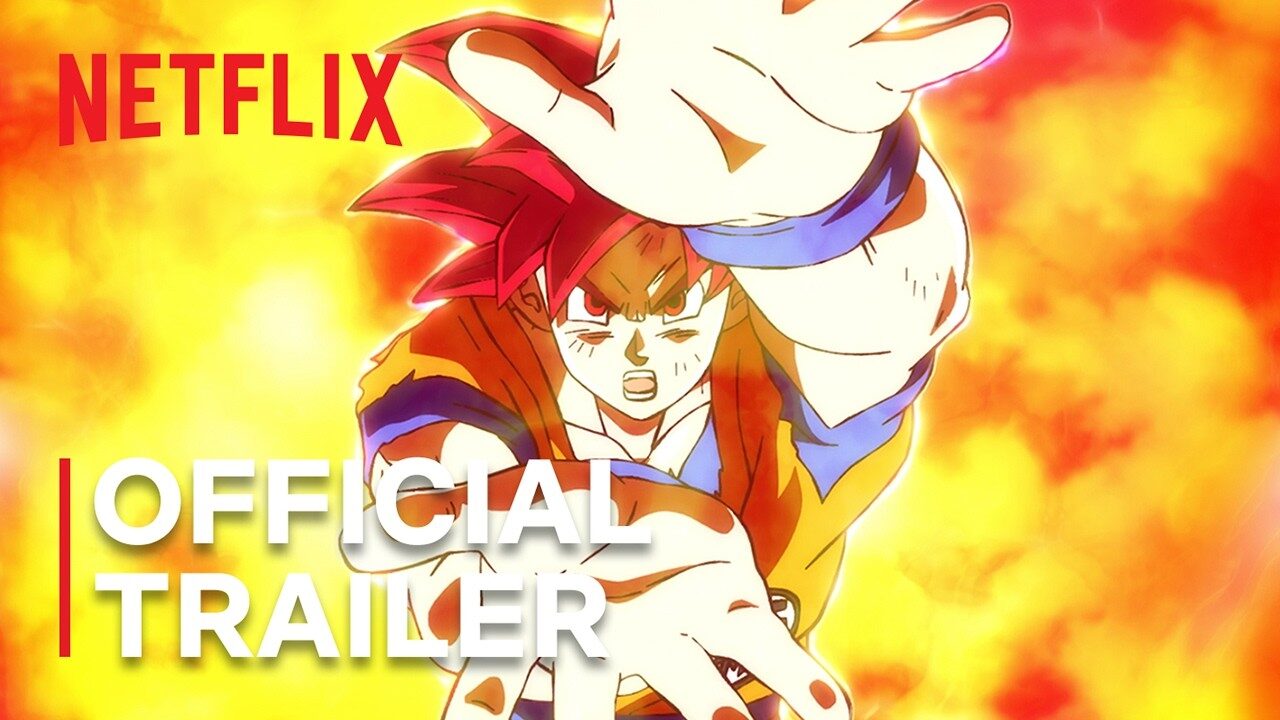
The Vegeta Saga is the second half of the Saiyan Saga in Dragon Ball Z, covering the battle on Earth against Nappa and Vegeta. Across the entire franchise, the storyline spans major eras including original Dragon Ball, DBZ, and Super.
The Dragon Ball Z Vegeta Saga explained
Plot overview and setup
The Vegeta Saga, also called the Saiyan Saga or Return of the Saiyans Saga, is the second saga of Dragon Ball Z. It follows the Raditz Saga and directly precedes the Namek Saga. The arc aired in Japan between 1989 and 1990.
It centers on the Z Fighters training for the arrival of the Saiyans, Nappa and Vegeta, who head to Earth seeking the Dragon Balls for eternal life.
Episode counts and releases
The saga comprises part of US season 1. Depending on the release format, the episode count varies:
- Uncut DBZ TV run: 29 episodes
- Edited TV broadcast: 22 episodes
- Dragon Ball Z Kai: 13 episodes
Funimation released this storyline in the Season One Remastered Box Set, Level Set Blu-rays, and Dragon Box Volume 1.
Major battles in the Vegeta Saga
Goku versus Vegeta
Goku moves the fight to a desert to protect his fallen friends. When Kaio-ken and Kaio-ken x2 fail to break through, Goku pushes to Kaio-ken x3, boosting his power level past 24,000. Vegeta responds with his Galick Gun, forcing Goku to use a Kaio-ken x4 Kamehameha to blow him away.
The Great Ape turn
Vegeta uses a Power Ball to simulate a full moon and turns into a Great Ape, retaining complete control and multiplying his power ten-fold. Yajirobe cuts off Vegeta's tail to return him to normal.
After Krillin hits Vegeta with Goku's Spirit Bomb, Gohan transforms into a Great Ape to crush the wounded Saiyan. Krillin moves to kill Vegeta with a sword, but Goku asks him to spare his rival for a rematch.
Dragon Ball franchise sagas and story arcs
Franchise timeline overview
The franchise timeline is divided into distinct television series and manga runs that introduce new sagas.
| Series | Original air / run dates | Format length |
|---|---|---|
| Original Anime | Feb 26, 1986 to Apr 12, 1989 | 153 episodes |
| Original Manga | Nov 20, 1984 to May 23, 1995 | 520 chapters (42 vols) |
| Dragon Ball Z | Aired from 1989 | Raditz to Majin Buu sagas |
| Dragon Ball Super | Manga started 2015 | Includes Copy-Vegeta mini arc |
Dragon Ball Super arcs
In Dragon Ball Super, the Copy-Vegeta Saga serves as an anime-only mini arc between the Universe 6 Saga and the "Future" Trunks Saga, where Duplicate Vegeta battles on Planet Potaufeu.
Where to read and watch officially
The original 153-episode Dragon Ball anime, produced by Toei Animation, is available on Crunchyroll and Hulu. Viewers can also watch the series on Bilibili TV.
For the manga, the complete 520 chapters by Akira Toriyama can be read in English on VIZ and Shueisha's MANGA Plus. Japanese digital editions are accessible via Shonen Jump Plus and the official franchise website.
FAQ
What episodes cover the Vegeta Saga in Dragon Ball Z?
The uncut version spans 29 episodes, the edited TV broadcast covers 22 episodes, and Dragon Ball Z Kai condenses it to 13 episodes.
Why did Goku let Vegeta live at the end of the saga?
Goku told Krillin to spare Vegeta because he was excited by his opponent's power, wanted a rematch, and believed Vegeta might reform as Piccolo did.
What is the Copy-Vegeta Saga in Dragon Ball Super?
It is an anime-only mini arc placed between the Universe 6 Saga and the Future Trunks Saga where the fighters encounter Duplicate Vegeta on Planet Potaufeu.
Sources
Official sites & news
- Dragon Ball official site Japanese
- Dragon Ball official site Japanese
- Dragon Ball on MANGA Plus Japanese
- Dragon Ball on Crunchyroll
- Dragon Ball official site
- Dragon Ball on VIZ
- Dragon Ball on VIZ
- Dragon Ball on VIZ
Reference
Blogs & fan discussion
- Vegeta Saga - Dragon Ball Wiki
- Copy-Vegeta Saga - Dragon Ball Wiki
- Dragon Ball on Bilibili TV
- Dragon Ball official site
Statements backed only by blogs or fan discussion are written as what fans say, not as fact.