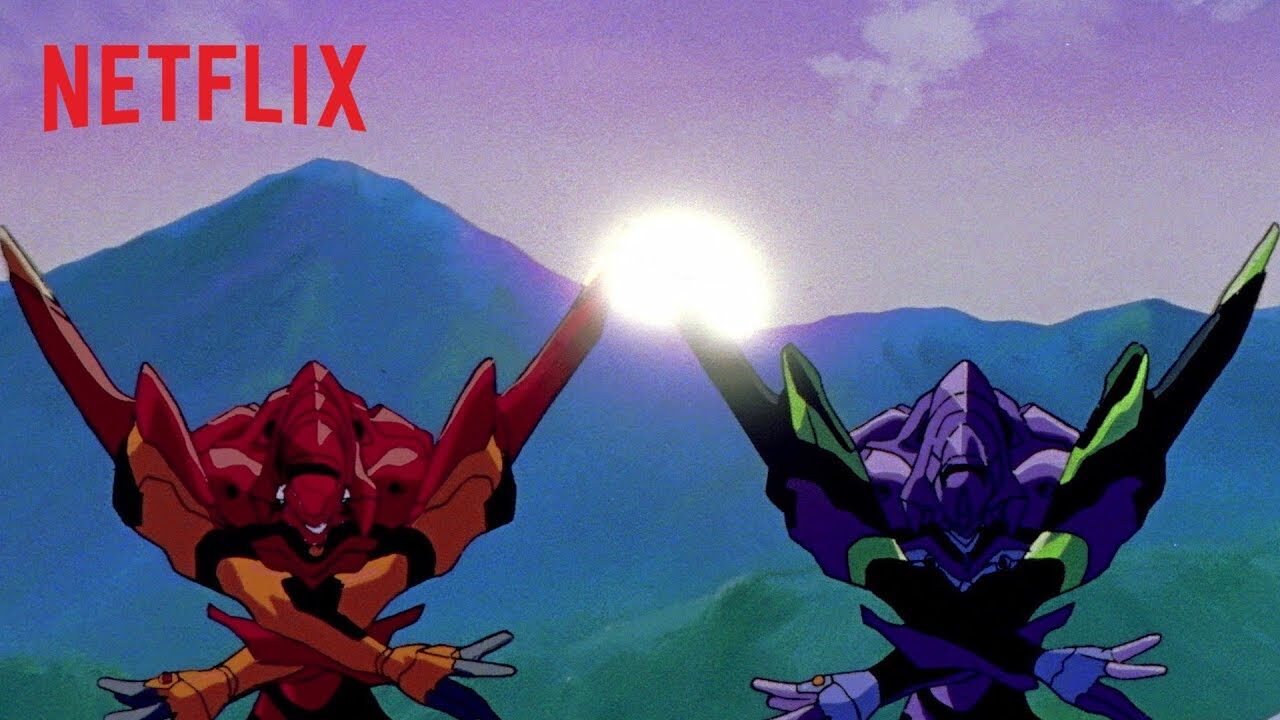
Neon Genesis Evangelion
Neon Genesis Evangelion: The Complete Series Guide
Neon Genesis Evangelion is a 1995 psychological mecha anime series created by Hideaki Anno and produced by Gainax. It follows 14-year-old Shinji Ikari, who pilots a giant biomechanical Evangelion to defend Tokyo-3 from mysterious Angels.
Series overview and release history
Neon Genesis Evangelion (Shin Seiki Evangerion) first aired on TV Tokyo from October 3, 1995, to March 27, 1996, totaling 26 episodes. Gainax produced the animation alongside Tatsunoko Production. Hideaki Anno served as writer and director, while character designer Yoshiyuki Sadamoto handled visual character designs.
Original TV broadcast
| Detail | Information |
|---|---|
| Premiere date | October 3, 1995 |
| Finale date | March 27, 1996 |
| Episode count | 26 episodes |
| Animation studios | Gainax, Tatsunoko Production |
| Director & writer | Hideaki Anno |
| Original broadcaster | TV Tokyo |
Production history and ownership
Gainax previously found success with Nadia: The Secret of Blue Water before entering production on Evangelion. The TV series earned the Excellence Award at the 1997 Japan Media Arts Festival. While Gainax held the original rights, creator Hideaki Anno later transferred franchise ownership to his personal animation company, Studio Khara.
Director's Cut episodes
Home video and later broadcast editions introduced modified versions of episodes 21 through 24, labeled as the Director's Cut. These episodes incorporate extra scenes and visual adjustments, integrating footage originally animated for the 1997 theatrical recap film Death.
Plot summary and core setting
The franchise takes place in the fortified city of Tokyo-3, fifteen years after a global cataclysm known as the Second Impact. In the year 2000, a massive explosion in Antarctica melted ice sheets, shifted Earth off its axis, and wiped out half of the human population.
Tokyo-3 under attack
By 2015, gigantic hostile entities called Angels begin descending upon Tokyo-3. Conventional military hardware cannot penetrate their force fields, leaving humanity dependent on NERV, a special paramilitary agency supervised by the United Nations. NERV deploys Evangelions (EVAs), giant biomechanical weapons built to duel the Angels.
The pilots
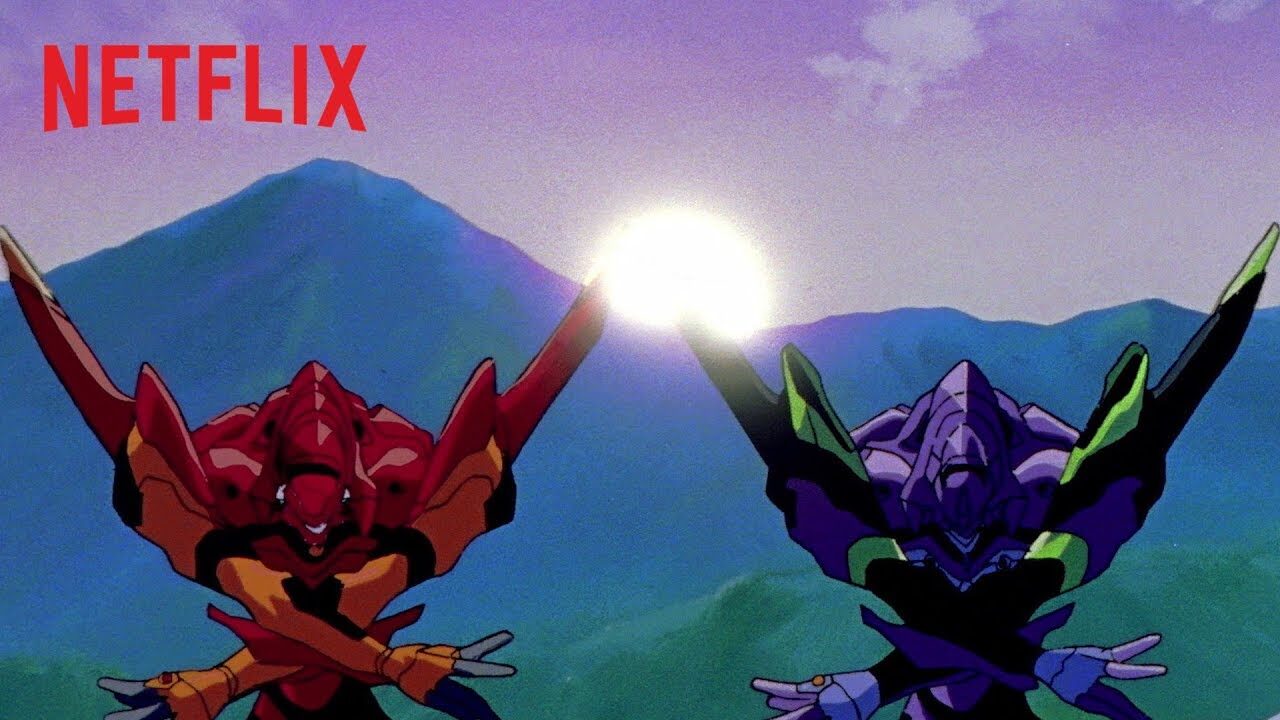
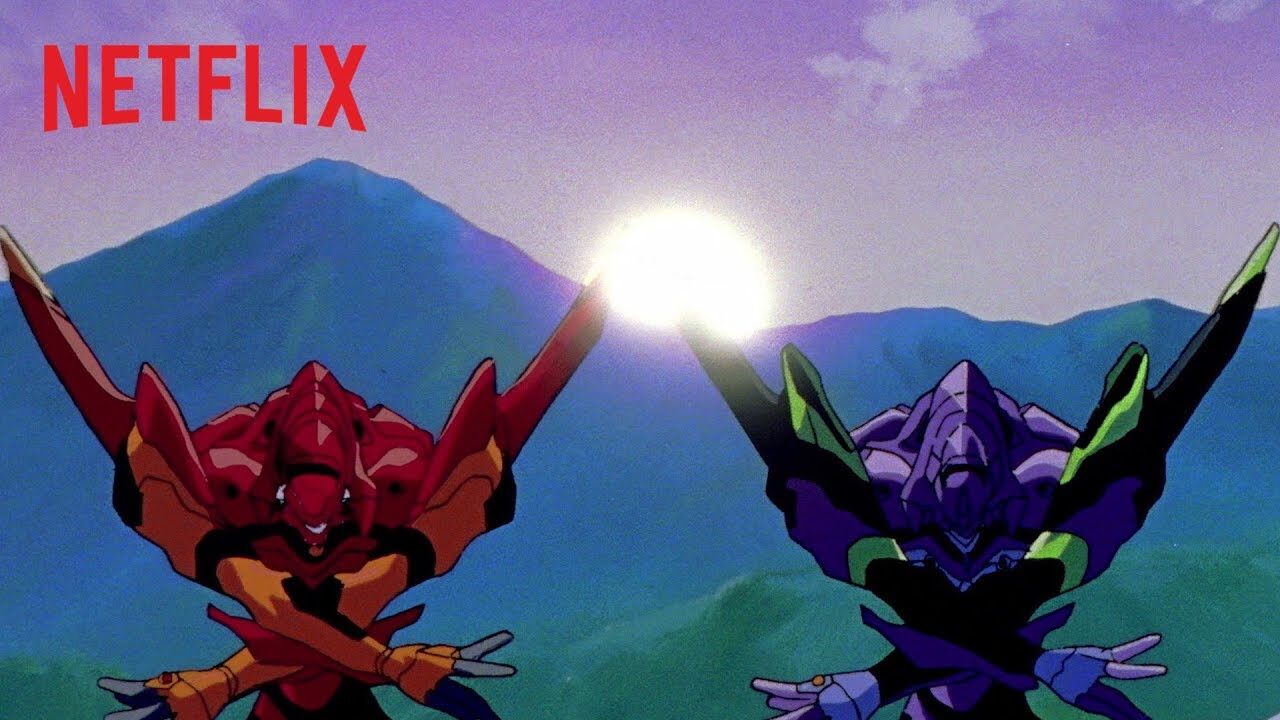
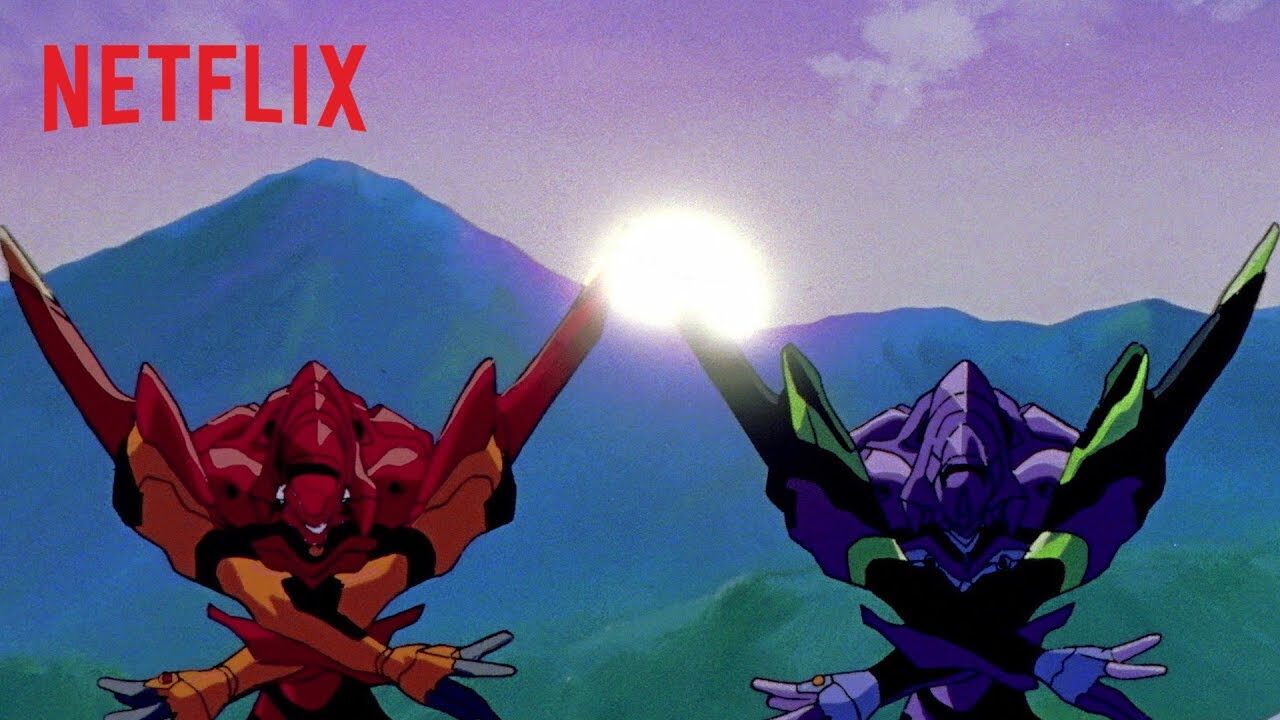
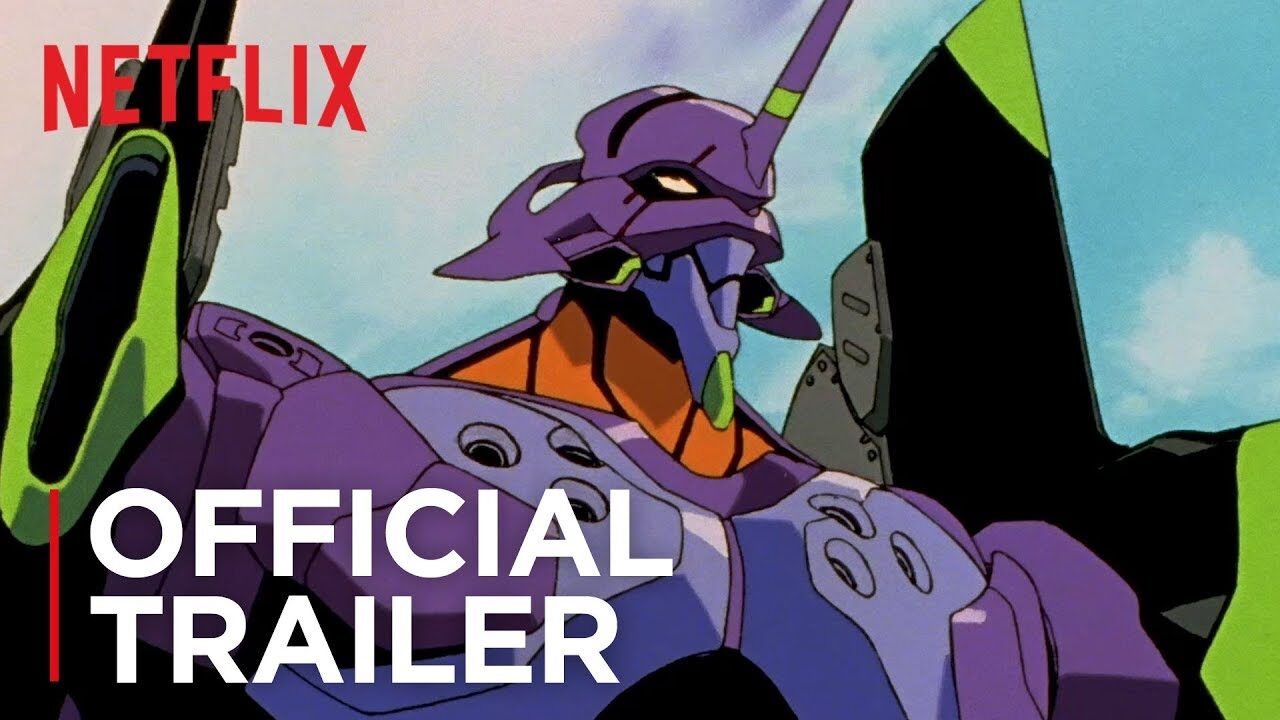
Shinji Ikari arrives in Tokyo-3 after receiving a summons from his estranged father, NERV Commander Gendo Ikari. Because only a select group of teenagers born after the Second Impact can sync with the biomechanical EVAs, Shinji is pushed into piloting Evangelion Unit-01. He fights alongside fellow pilots Rei Ayanami in Unit-00 and Asuka Langley Soryu in Unit-02.
Secret agendas and Instrumentality
Beneath the defense of Tokyo-3 lies a covert conflict between Gendo Ikari and SEELE, a shadowy organization guiding NERV according to the Dead Sea Scrolls. Both factions seek to initiate the Human Instrumentality Project. This operation attempts to erase individual human identity by fusing all souls into a single divine consciousness.
Themes and psychoanalysis
Beneath giant robot action, the narrative examines trauma, interpersonal avoidance, and existential dread. The series draws heavily on psychoanalytic theories from Sigmund Freud and Carl Jung, alongside imagery adapted from Kabbalah and Christian mysticism.
The Angels and Evangelion units
Most Angels originate from the progenitor entity Adam, while humanity itself descends from the second Angel, Lilith. Lilith remains crucified deep beneath NERV headquarters within Terminal Dogma, pierced by the spear of Longinus.
Angel biology and defenses
Angels possess atomic structures exhibiting wave-particle duality and share a 99.89% genetic affinity with human beings. Each Angel generates an Absolute Terror Field (AT Field), a nearly impenetrable barrier that Evangelions can neutralize using their own synchronized fields. Most Angels house a red energy core and the fruit of life, giving them rapid regenerative capabilities.
Progenitor entities Adam and Lilith
A research team led by Misato Katsuragi's father discovered Adam in Antarctica before an accidental contact experiment triggered the Second Impact. Lilith hangs crucified inside Terminal Dogma behind a mask bearing the seven eyes of SEELE. While Angels hold the fruit of life, human beings represent the eighteenth Angel and carry the fruit of knowledge.
Evangelion origins
Evangelions are bio-machines cloned directly from Adam, with the sole exception of Unit-01, which NERV engineered from Lilith. Piloting demands an intimate psychological and neurological interface between the pilot and the machine's biological interior.
Early production concepts
Early production drafts referred to the enemy creatures as Apostolos rather than Angels. Gainax planned twenty-eight enemies left behind by an ancient group called the First Ancestral Race. Designers Mahiro Maeda and Yoshito Asari developed non-humanoid shapes, drawing visual inspiration from kaiju such as Gyaos and Gaira.
The films and alternate endings
The final two television episodes sparked widespread discussion upon broadcast by focusing on Shinji's internal psychological state during the Human Instrumentality Project. Gainax produced theatrical releases to provide an alternate conclusion.
Death & Rebirth (1997)
Released in March 1997, Neon Genesis Evangelion: Death & Rebirth split into two parts. Death was a 60-minute recap of episodes 1 through 24 featuring newly drawn sequences. Rebirth provided the first half of a newly animated ending.
Re-edits of Death
Gainax re-edited the recap segment into Death(true), removing the newly produced scenes once they were integrated into the TV Director's Cut episodes. A subsequent edit titled Death(true)2 added Adam's embryo onto Gendo's hand before appearing in the final theatrical package Revival of Evangelion.
The End of Evangelion (1997)
Premiering on July 19, 1997, The End of Evangelion replaced episodes 25 and 26. Directed by Hideaki Anno and Kazuya Tsurumaki, the movie depicts SEELE launching an armed assault against NERV to trigger the catastrophic third impact. The film grossed 2.47 billion yen at the Japanese box office.
Rebuild of Evangelion tetralogy
Studio Khara launched the Rebuild of Evangelion film tetralogy in 2007. The project retold early television episodes before steering into new storylines, characters, and a fresh final conclusion.
| Film Title | Japanese Release Date |
|---|---|
| Evangelion: 1.0 You Are (Not) Alone | September 1, 2007 |
| Evangelion: 2.0 You Can (Not) Advance | June 27, 2009 |
| Evangelion: 3.0 You Can (Not) Redo | November 17, 2012 |
| Evangelion: 3.0+1.0 Thrice Upon a Time | March 8, 2021 |
Rebuild home video shorts
Home video editions in 2023 included two short original video animations: Evangelion: 3.0 (-46h) and Evangelion: 3.0 (-120min).
Manga, spin-offs, and future anime
Before the television broadcast, character designer Yoshiyuki Sadamoto launched the official manga in Shonen Ace in December 1994. The manga ran for 97 chapters across 14 volumes, concluding in 2013.
Print spin-offs
Multiple spin-off manga explored alternate tones, including the romantic comedy Angelic Days and the parody Shinji Ikari Raising Project. Author Ikuto Yamashita penned the light novel series Neon Genesis Evangelion: ANIMA from 2008 to 2013, depicting an alternate timeline set three years after the television series.
Additional print works and parodies
Kadokawa published further alternative manga, including Campus Apocalypse, The Shinji Ikari Detective Diary, and Legend of the Piko-Piko Middle School Students. Parody anthologies include Comic Tribute and Tony Takezaki's Evangelion. Petit Eva: Evangelion@School adapted its parody manga into a 24-episode chibi net series between 2007 and 2009.
Unproduced live-action film
ADV Films announced plans for a live-action Evangelion film at the 2003 Cannes Film Festival in partnership with Gainax and Weta Workshop. ADV sought between $100 million and $120 million in financing and pitched the property to producers like Jerry Bruckheimer. The project collapsed into litigation in August 2011 when ADV sued Gainax over perpetual rights.
Future projects
At the Evangelion:30+ festival in February 2026, an untitled anime series was announced. CloverWorks and Studio Khara will produce the series, directed by Kazuya Tsurumaki and Toko Yatabe, featuring scripts by Yoko Taro and music by Keiichi Okabe.
Music and legal streaming options
Composer Shiro Sagisu created the score for the 1995 series, winning Best Music Score at the 1997 Kobe Animation awards. Yoko Takahashi performed the opening theme song A Cruel Angel's Thesis, while recordings of Fly Me to the Moon served as the series ending.
Soundtrack releases
King Records and its label Starchild distributed the original television soundtracks and singles. Starchild also released four classical compilations titled Evangelion Classic, collecting works by Ludwig van Beethoven, Giuseppe Verdi, George Frideric Handel, and Johann Sebastian Bach.
Where to watch and read legally
- TV series and films: Available for streaming on Netflix and the Criterion Channel.
- Official manga: Available digitally through VIZ Media.
- Physical media and collectibles: Official art and neon genesis evangelion posters are distributed through authorized retailers and the Japanese official portal.
FAQ
How many episodes are in the original Neon Genesis Evangelion anime?
The original 1995 television series has 26 episodes. Episodes 21 through 24 also exist as Director's Cut editions with additional footage.
What is the recommended watch order for Evangelion?
Watch episodes 1 through 26 of the 1995 television series (using the Director's Cut for episodes 21-24), followed by the 1997 feature film The End of Evangelion. After that, watch the four Rebuild of Evangelion movies (1.0 through 3.0+1.0).
Is the Evangelion manga an adaptation of the anime?
Yes. Yoshiyuki Sadamoto began publishing the manga in December 1994 to build interest for the upcoming anime, but the television series remains the primary original work created by Hideaki Anno.
Sources
Official sites & news
- Neon Genesis Evangelion on Netflix Japanese
- Neon Genesis Evangelion official site Japanese
- Neon Genesis Evangelion on VIZ
- Neon Genesis Evangelion (franchise) - Wikipedia
- Angels (Neon Genesis Evangelion) - Wikipedia
Reference
Blogs & fan discussion
- Neon Genesis Evangelion Official Trailer - YouTube Japanese
- Neon Genesis Evangelion official site Japanese
- Neon Genesis Evangelion on Kadocomi Japanese
- Neon Genesis Evangelion on Criterion Channel
- Neon Genesis Evangelion official site
- Neon Genesis Evangelion official site
- Neon Genesis Evangelion official site
- Neon Genesis Evangelion on Naver Series
Statements backed only by blogs or fan discussion are written as what fans say, not as fact.