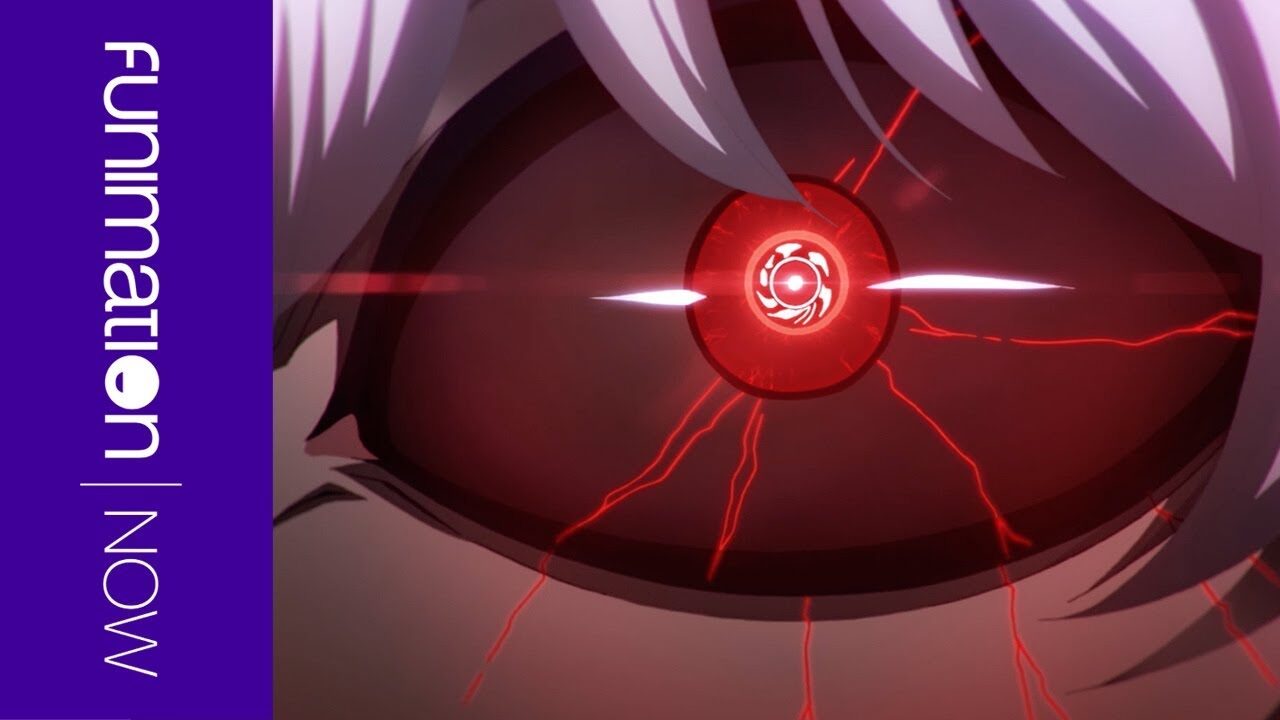
Tokyo Ghoul
Tokyo Ghoul season 2: Root A explained
Tokyo Ghoul season 2, officially titled Tokyo Ghoul Root A, is a 12-episode anime produced by Studio Pierrot. It aired in early 2015 and follows an anime-original route where Ken Kaneki joins Aogiri Tree instead of opposing them.
Production details and episode guide
Broadcast and release dates
Studio Pierrot produced the 12-episode second season of Tokyo Ghoul with director Shuhei Morita. The season aired in Japan on Tokyo MX from January 9, 2015 to March 27, 2015. Funimation produced the English broadcast dub.
The opening theme song is Munou by osterreich. The ending song is Kisetsu wa Tsugitsugi Shinde Iku by the rock band amazarashi.
Key season 2 episodes
Episode | Title | Original air date
1 | New Surge | January 9, 2015
4 | Dancing Flowers | January 30, 2015
6 | Thousand Paths | February 13, 2015
9 | City in Waiting | March 6, 2015
11 | Deluge of Flowers | March 20, 2015
12 | Ken | March 27, 2015
Is Tokyo Ghoul season 2 canon?
The alternate draft by Sui Ishida
Tokyo Ghoul Root A is not canon to the manga storyline. Author Sui Ishida provided concept drafts for an alternate what-if scenario where Kaneki joined Aogiri. A popular fan theory holds that the title uses the mathematical root symbol alongside the letter A to designate Route Aogiri.
Studio Pierrot's production changes
Studio Pierrot altered those drafts during production. Director Shuhei Morita stated in a 2018 Reddit AMA that his team had a bubble of ideas, but it constantly felt like those ideas were being chipped away at by higher-ups so as not to affect the original manga's lore.
How season 3 handles Root A
The third television season, Tokyo Ghoul:re, premiered in April 2018 and disregarded the original narrative choices of Root A. It adapted the manga sequel directly, treating the original manga events as the real backstory.
Characters like Hideyoshi Nagachika reappeared in ways that directly contradicted the Root A finale. Reading the original manga run through the Tokyo Ghoul box set gives the actual canonical bridge needed to understand the story.
Key differences between Root A and the manga
Kaneki's faction choice
In Sui Ishida's manga, Kaneki refuses to return to Anteiku after the 11th Ward battle. He forms an independent squad with Shu Tsukiyama, Hinami Fueguchi, and Kazuichi Banjou to investigate Dr. Kanou and crush Aogiri Tree.
In Root A, Kaneki walks up to Ayato Kirishima and joins Aogiri Tree. He takes orders from Tatara and works as an operative for the very organization that tortured him. The anime never gives a clear spoken explanation for his choice.
The prison raid replaces the lab
In the manga, Kaneki confronts Dr. Akihiro Kanou at his secret laboratory mansion. Kaneki investigates artificial ghouls and fights investigator Yukinori Shinohara in his half-kakuja form.
Root A cuts the Kanou lab storyline. Instead, Pierrot animated an attack on Cochlea, the ghoul detention center.
Kaneki fights Matasaka Kamishiro and breaks out high-security prisoners. This change removed the manga's explanations regarding the One-Eyed King.
Where to watch Tokyo Ghoul season 2
Legal streaming platforms in the US
US viewers can stream all 12 episodes of Tokyo Ghoul Root A legally through two subscription platforms:
- Crunchyroll offers the full season in Japanese audio with English subtitles and the English dub.
- Hulu includes both the subtitled and dubbed versions in its streaming library.
Availability was verified for the United States catalog in November 2026. The season is also sold digitally through Apple TV and Amazon Prime Video.
Root A plot summary and ending explained (spoilers)
The 20th Ward suppression operation
The Commission of Counter Ghoul organizes the Owl Suppression Operation against the Anteiku cafe. Shopkeeper Yoshimura battles investigators Yukinori Shinohara and Iwao Kuroiwa on the street.
Kaneki rushes into the combat zone to save his friends. He clashes with investigator Koutarou Amon in the rain. Both Kaneki and Amon inflict severe wounds on each other before collapsing.
Hide's fate and the Arima encounter
Kaneki crawls into the burned Anteiku cafe and finds Hideyoshi Nagachika. Hide reveals he knew Kaneki was a ghoul all along. In Root A, Hide collapses from severe blood loss and dies in Kaneki's arms.
Kaneki wraps Hide in a sheet and carries him across the snowy ruins past silent CCG soldiers. He places Hide on the ground in front of Kisho Arima. The anime cuts to black without animating the fight, whereas the manga shows Arima defeating Kaneki during the final battle at Route V14, clearing the way for his amnesiac persona Haise Sasaki.
FAQ
Why did Kaneki join Aogiri Tree in season 2?
Kaneki joined Aogiri Tree exclusively in the anime-original script for Root A. A popular fan interpretation holds that his motive was to gain combat power and monitor the organization from within, though the anime never gave a direct spoken reason.
What does Root A stand for?
A popular fan theory holds that Root A stands for Route Aogiri, using the mathematical square root symbol to represent an alternate narrative path where Kaneki allied with Aogiri.
Can I skip Tokyo Ghoul Root A before watching Tokyo Ghoul:re?
Yes. Tokyo Ghoul:re ignores the events of Root A and follows the original manga continuity. Reading chapters 66 through 143 of the original manga gives the accurate backstory needed for season 3.
Did Hide die at the end of Tokyo Ghoul season 2?
Hide dies in Kaneki's arms in the Root A anime finale. In the original manga, Hide goes missing after asking Kaneki to consume his flesh in the sewers, and he returns alive later in Tokyo Ghoul:re.
Sources
Official sites & news
- crunchyroll.com
- What is Tokyo Ghoul About? Unraveling the Plot Season by Season - Crunchyroll News
- Tokyo Ghoul Root A (TV) - Anime News Network
- wikipedia.org
- wikipedia.org
Blogs & fan discussion
Statements backed only by blogs or fan discussion are written as what fans say, not as fact.