Guide
Guide to anime characters: popular figures, types, and tropes
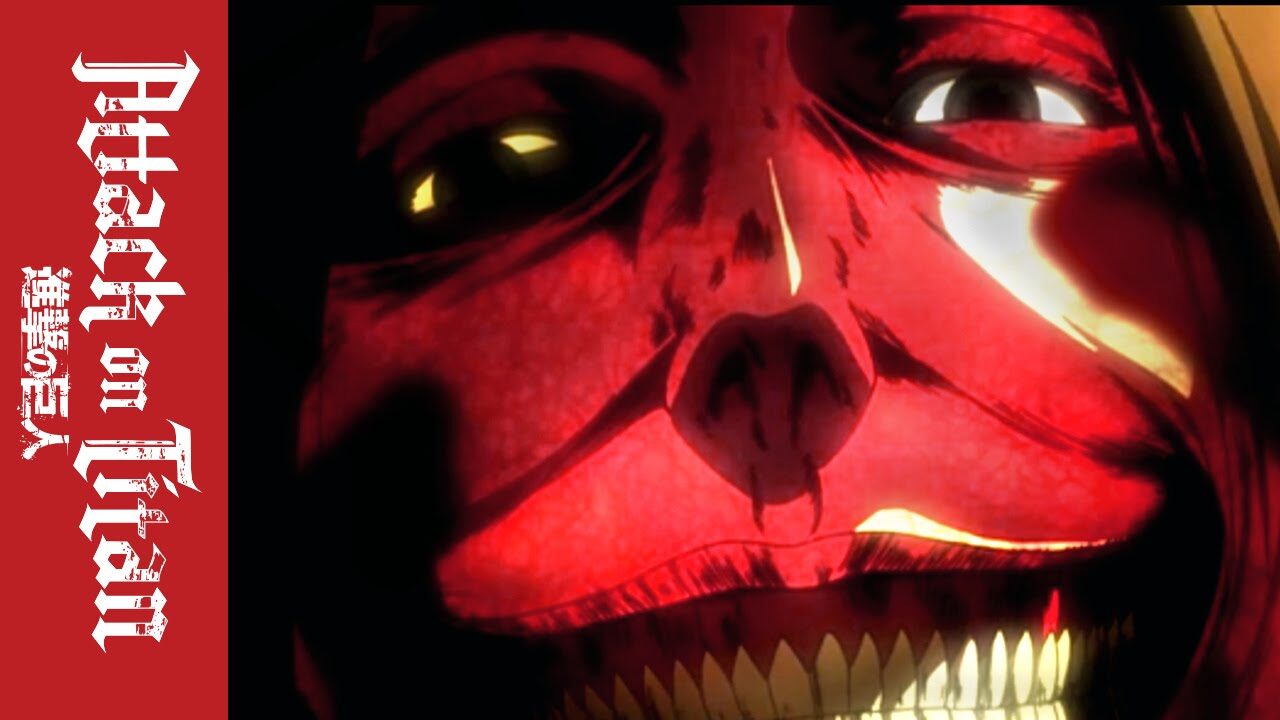
Anime characters are fictional figures from Japanese animation, defined by distinct visual conventions and archetypes. Global fan databases rank figures like Lelouch Lamperouge, Monkey D. Luffy, and Kurisu Makise among the most favorited.
Most popular anime characters of all time
MyAnimeList tracks character favorites across millions of registered user profiles. The platform records votes on individual character profile pages and generates an ongoing global index of fan favorites. Shonen and psychological thriller leads dominate the top positions.
Top male characters on MyAnimeList
| Rank | Character | Series |
|---|---|---|
| 1 | Lelouch Lamperouge | Code Geass |
| 2 | Monkey D. Luffy | One Piece |
| 3 | Levi Ackerman | Attack on Titan |
| 4 | L Lawliet | Death Note |
| 5 | Roronoa Zoro | One Piece |
Top female characters on MyAnimeList
| Rank | Character | Series |
|---|---|---|
| 1 | Kurisu Makise | Steins;Gate |
| 2 | Mikasa Ackerman | Attack on Titan |
| 3 | Rem | Re:Zero |
| 4 | Megumin | KonoSuba |
| 5 | Hitagi Senjougahara | Bakemonogatari |
Core personality types: the dere spectrum
The Japanese term dere dere translates to being lovey-dovey or lovestruck. Writers combine it with other Japanese adjectives to classify how a character reveals affection. These archetypes help studios signal romantic tensions quickly.
Tsundere and yandere
Tsundere combines tsun tsun, meaning harsh or aloof, with dere dere. A tsundere begins hostile or argumentative toward a love interest and hides warmth beneath insults or physical strikes. Taiga Aisaka from Toradora! and Asuka Langley Soryu from Neon Genesis Evangelion represent classic examples.
Yandere pairs yanderu (to be mentally sick) with dere dere. This archetype appears sweet, loving, and gentle on the surface.
Underneath, obsessive devotion turns into violent jealousy, stalking, or lethal aggression. According to many anime fans, Yuno Gasai from Future Diary defines this archetype.
Kuudere and dandere
Kuudere derives from the English word cool combined with the Japanese term dere dere. A kuudere behaves in an emotionless, cynical, or cold manner.
Such characters rarely alter facial expressions in public and reveal tenderness only to trusted companions. A common view among anime fans is that Rei Ayanami from Neon Genesis Evangelion laid the groundwork for this template.
Dandere stems from danmari, meaning silent or reticent, combined with dere dere. Dandere characters stay quiet out of extreme shyness, social anxiety, or lack of confidence.
Once they feel safe around another person, their social awkwardness gives way to warmth. Hinata Hyuga from Naruto is frequently cited by fans as typifying the dandere archetype.
Classic action and battle archetypes
Action anime, particularly shonen series aimed at young male audiences, uses familiar team dynamics. These roles balance group chemistry and fuel rivalries across long episode runs.
Protagonist and rival pairs
The shonen protagonist typically displays loud optimism, heavy physical appetite, and stubborn loyalty. Son Goku from Dragon Ball and Monkey D. Luffy from One Piece are widely seen by viewers as setting the standard for this archetype. They often act before thinking and rely on sheer instinct.
The rival provides direct contrast. Rivals tend to be quiet, tactical, prodigiously gifted, and serious. Vegeta opposite Goku and Sasuke Uchiha opposite Naruto Uzumaki drive plot progression through competitive friction.
Mentors and comedic partners
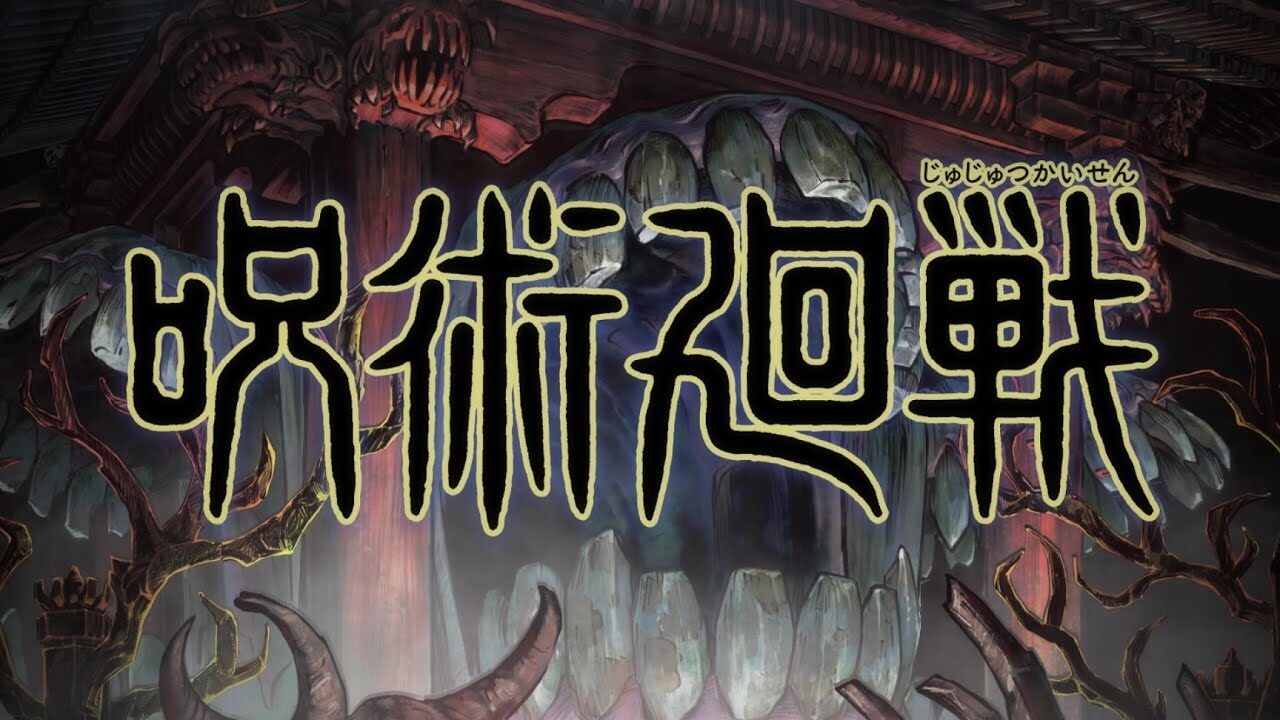
Mentors in battle anime rarely act like standard authority figures. Authors often design them as eccentric, lazy, or slightly disgraced masters who conceal devastating power behind strange habits. Master Roshi from Dragon Ball, Kakashi Hatake from Naruto, and Satoru Gojo from Jujutsu Kaisen fit this profile.
Comedic sidekicks prevent prolonged tension during grim story arcs. Characters like Usopp from One Piece or Zenitsu Agatsuma from Demon Slayer break up high-stakes fights with panic, exaggeration, and slapstick humor.
Visual cues and character design conventions
Anime visual language relies on exaggerated physical attributes to communicate personality at a distance. Osamu Tezuka established large expressive eye designs in anime during the 1950s after studying animation styles from Walt Disney and Max Fleischer theatrical shorts.
Dark, fiery, and cool hair symbolism
Hair colors in anime do not reflect real Japanese demographics. Instead, in widespread fan discussion and anime conventions, hair tones are often understood to broadcast core character traits:
- Black or dark brown: Grounded, traditional, or everyday high school students.
- Red or bright orange: Fiery, impulsive, hot-tempered, or passionate fighters.
- Blue: Calm, intellectual, introverted, or disciplined thinkers.
Light and eccentric hair symbolism
- White or silver: Aloof, mysterious, supernatural, or emotionally detached figures.
- Yellow or blonde: Energetic characters, foreigners, or privileged royalty.
- Pink: Sweet, innocent, eccentric, or secretly chaotic personalities.
Expressive facial markers
Animators use visual shorthand for emotional states instead of realistic muscle movements.
- Large sweat drops: Embarrassment, disbelief, or anxiety during an awkward exchange.
- Ahoge hair strands: A single sticking-out cowlick indicating naivety or foolishness.
- Vein crosses on the forehead: Extreme irritation or barely suppressed rage.
- White eyes with no pupils: Shock, unconsciousness, or spiritual exhaustion.
- Disappearing mouth: Blank shock or stunned silence in comedy scenes.
Japanese naming rules and honorifics
Understanding character dialogues requires familiarity with Japanese naming customs. Japanese culture places the family name before the given name. For example, Monkey D. Luffy bears the surname Monkey, and Uzumaki Naruto bears the surname Uzumaki.
Everyday honorific suffixes
Characters append honorific suffixes to names to express rank, intimacy, and respect. English subtitles often retain these suffixes because standard English lacks direct equivalents.
- -san: Neutral polite title, equivalent to Mr. or Ms.
- -kun: Used for male peers, younger boys, or subordinates in workplaces.
- -chan: Affectionate diminutive for small children, pets, close friends, or young girls.
Formal and hierarchical suffixes
- -senpai: Used for senior students or senior colleagues at work.
- -sensei: Reserved for teachers, doctors, authors, and master instructors.
- -sama: Formal honorific indicating deep reverence, applied to royalty or deities.
Tools to search and identify anime characters
Tracking down a character seen in an avatar, meme, or short clip is straightforward with dedicated anime databases and reverse-image engines.
Reverse image search tools
- Trace.moe: Matches screenshots to exact anime titles, episode numbers, and timestamps.
- Google Lens: Scans illustrations and official artwork to retrieve character profiles.
- SauceNAO: Indexes illustrations uploaded to art communities like Pixiv and Twitter.
Character databases
- Anime-Planet: Houses searchable character entries with tags for hair color, gender, and series.
- MyAnimeList: Maintains detailed character pages with voice actor credits and user rankings.
- Anime Characters Database: Allows visual filter searches by eye color, hair length, and clothing.
FAQ
Who is the most popular anime character of all time?
On MyAnimeList, Lelouch Lamperouge from Code Geass holds the top spot with over 160,000 user favorites. Monkey D. Luffy from One Piece and Levi Ackerman from Attack on Titan follow closely behind.
What is the difference between a tsundere and a kuudere?
A tsundere displays an aggressive, defensive exterior to hide romantic feelings. A kuudere remains calm, quiet, and seemingly emotionless until building deep trust with another character.
Why do anime characters have bright, unrealistic hair colors?
Distinct hair colors help viewers separate large ensembles in black-and-white manga and fast action scenes. In character design tropes, specific shades often suggest distinct traits, such as red for hot-tempered fighters and blue for reserved thinkers.
What does a loose strand of sticking-up hair mean on an anime character?
That hair feature is an ahoge, translating to foolish hair in Japanese. Animators use it to signal that a character is naive, clumsy, or eccentric.
Where can I find voice actor credits for anime characters?
Databases like MyAnimeList and Anime News Network maintain comprehensive cast lists detailing both the original Japanese seiyuu and the English dub actors for each character.
Sources
Blogs & fan discussion
- youtube.com Japanese
- youtube.com Japanese
- youtube.com Japanese
- youtube.com Japanese
- wionews.com
- animemagic.com
- playfloored.com
- scribd.com
- fandomspot.com
- wikihow.com
- ranker.com
- wikihow.com
- reddit.com
- reddit.com
- reddit.com
Statements backed only by blogs or fan discussion are written as what fans say, not as fact.