Studio Ghibli
My Neighbor Totoro soot sprites: the Studio Ghibli dust creatures explained
The small black balls in Studio Ghibli films are soot sprites, known in Japanese as Susuwatari. They first appeared in My Neighbor Totoro before returning as furnace workers in Spirited Away.
What are the Studio Ghibli soot sprites?
Soot sprites are small, round, fuzzy black creatures conjured from soot, featuring white eyes with dark pupils. Their Japanese name is Susuwatari, which translates to travelling soot. They also go by Makkuro-Kurosuke, or All Blacky.
Physical traits and movement
They hover. When doing chores, they sprout thin black limbs right out of their fuzzy bodies. They communicate entirely in high-pitched squeaks and murmurs, having no human speech. Crush one, and it dissolves into simple dust before reforming.
Soot sprites in My Neighbor Totoro
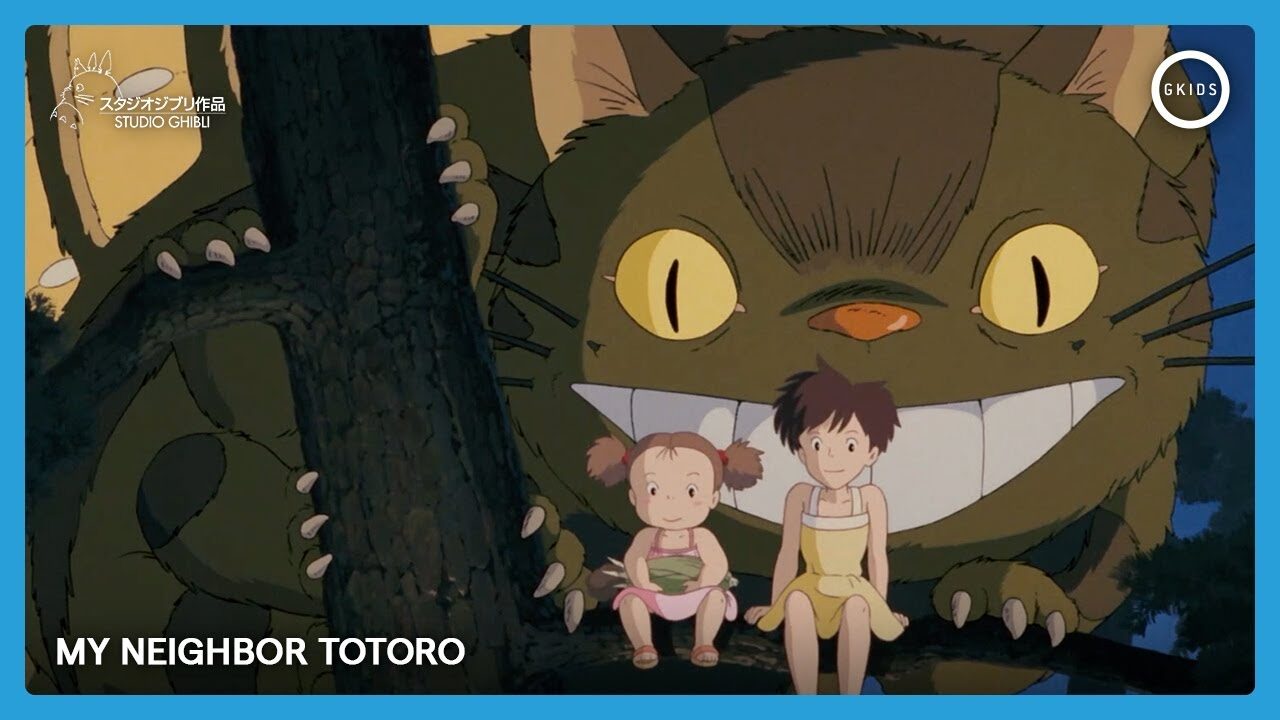
In the 1988 film My Neighbor Totoro, soot sprites reside in old, empty houses. Satsuki and Mei Kusakabe first encounter them after moving into their rural home in 1950s Japan. The creatures scurry away into dark corners whenever light enters a room, leaving trails of black dust on the floor that stain Mei's hands and the soles of the girls' feet.
Why they leave the house
Granny, the elderly neighbor, saw them as a child. She reveals that once people move into an empty house, the sprites inspect the new occupants. The Kusakabes are kind. Because the family fills the home with laughter, the sprites pack up and drift away on the wind toward Totoro's camphor tree.
Soot sprites in Spirited Away
The soot sprites reappear in the 2001 film Spirited Away, working in the bathhouse boiler room run by Kamaji. Unlike their free-roaming counterparts in Totoro's forest, these sprites were created by magic to carry heavy lumps of coal into the blazing furnace.
Rules of the boiler room
Kamaji explains the rule: work or die. The spell keeping them alive requires constant labor, and if the soot sprites stop working, the magic dissolves, turning them back into lifeless soot. They are surprisingly strong. Each tiny creature hauls coal pieces that Chihiro Ogino struggles to lift.
Diet and personality
The boiler room sprites eat kompeito, a traditional star-shaped Japanese sugar candy thrown to them at feeding time. They show human emotions such as annoyance, joy, and curiosity. They also take a liking to Chihiro, guarding her shoes, socks, and clothes while she works in the bathhouse.
Other appearances in Studio Ghibli works
| Film / Short | Role | Primary Food / Task |
|---|---|---|
| My Neighbor Totoro (1988) | Abandoned house spirit | None shown; leaves dirt |
| Spirited Away (2001) | Boiler room laborer | Eats kompeito candy; carries coal |
| Zen - Grogu and Dust Bunnies | Animated crossover short | Interacts with Grogu |
Outside the two feature Studio Ghibli movies, soot sprites appear in the animated short Zen - Grogu and Dust Bunnies.
FAQ
What is the official Japanese name for soot sprites?
Their formal name is Susuwatari, which means travelling soot. They are also widely called Makkuro-Kurosuke, which translates to All Blacky.
What do the soot sprites eat?
In Spirited Away, soot sprites eat kompeito, small star-shaped pieces of hard Japanese sugar candy.
Are the soot sprites in My Neighbor Totoro dangerous?
No, they are harmless house spirits. They flee from bright lights and leave quietly once they confirm the new residents are good people.
Sources
Blogs & fan discussion
Statements backed only by blogs or fan discussion are written as what fans say, not as fact.